
Filtri
8 prodotti
See It in Action
Real unboxings and product videos from our customers and the LightingWill team. See what’s in the box and get a closer look before you buy.
Shipping & Delivery
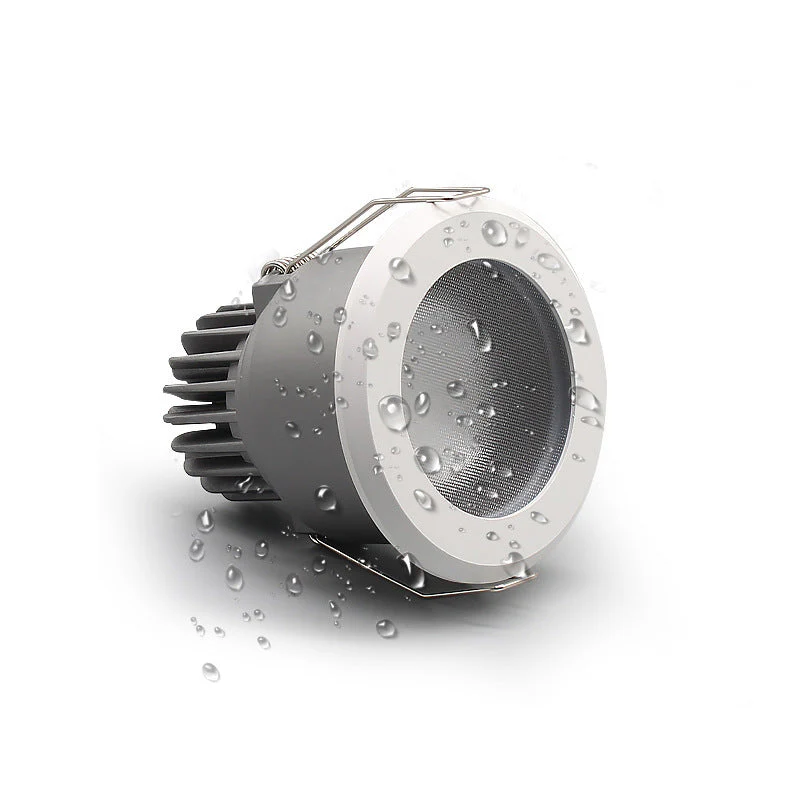
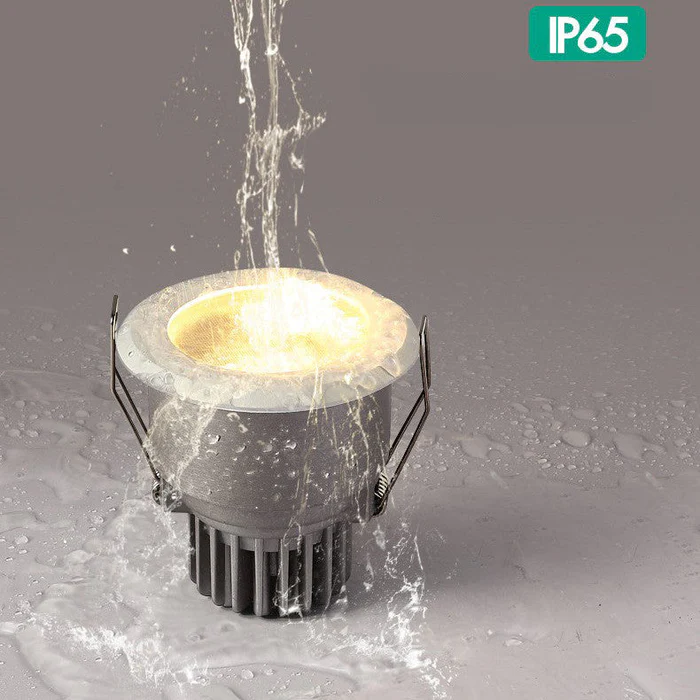
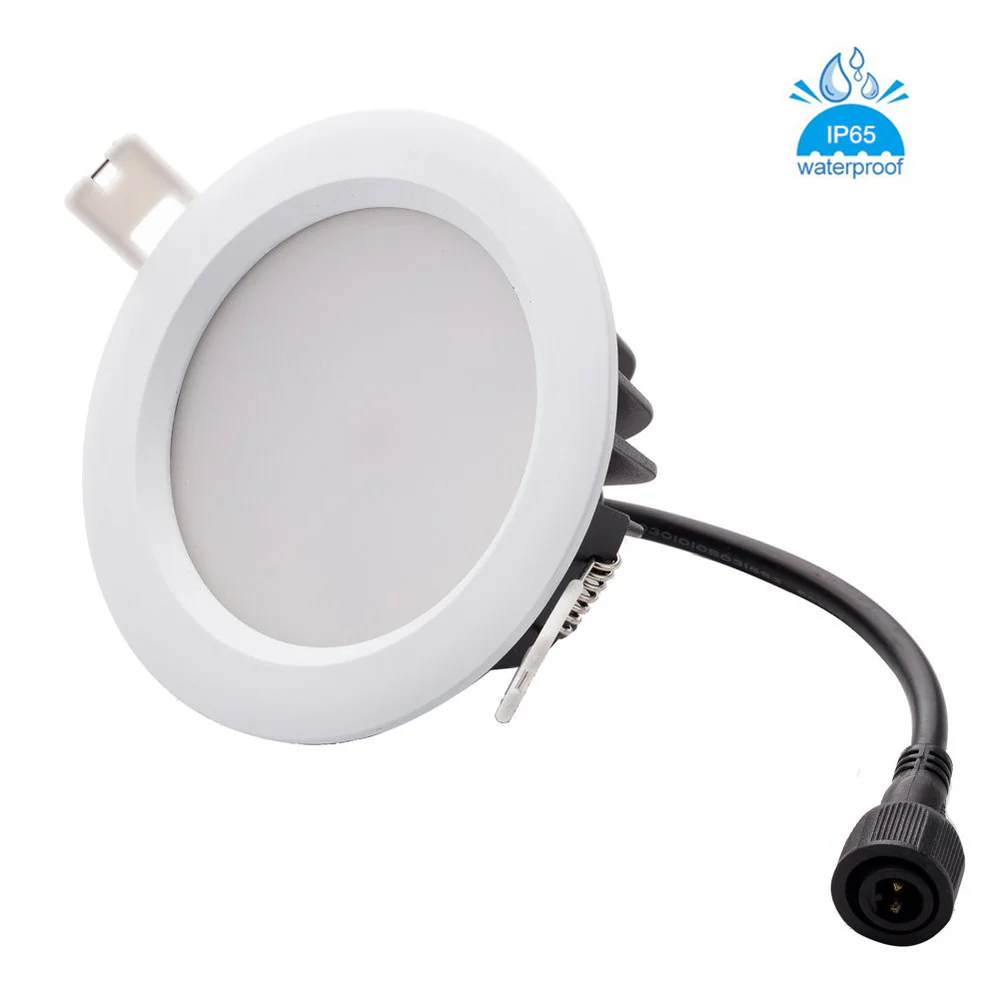
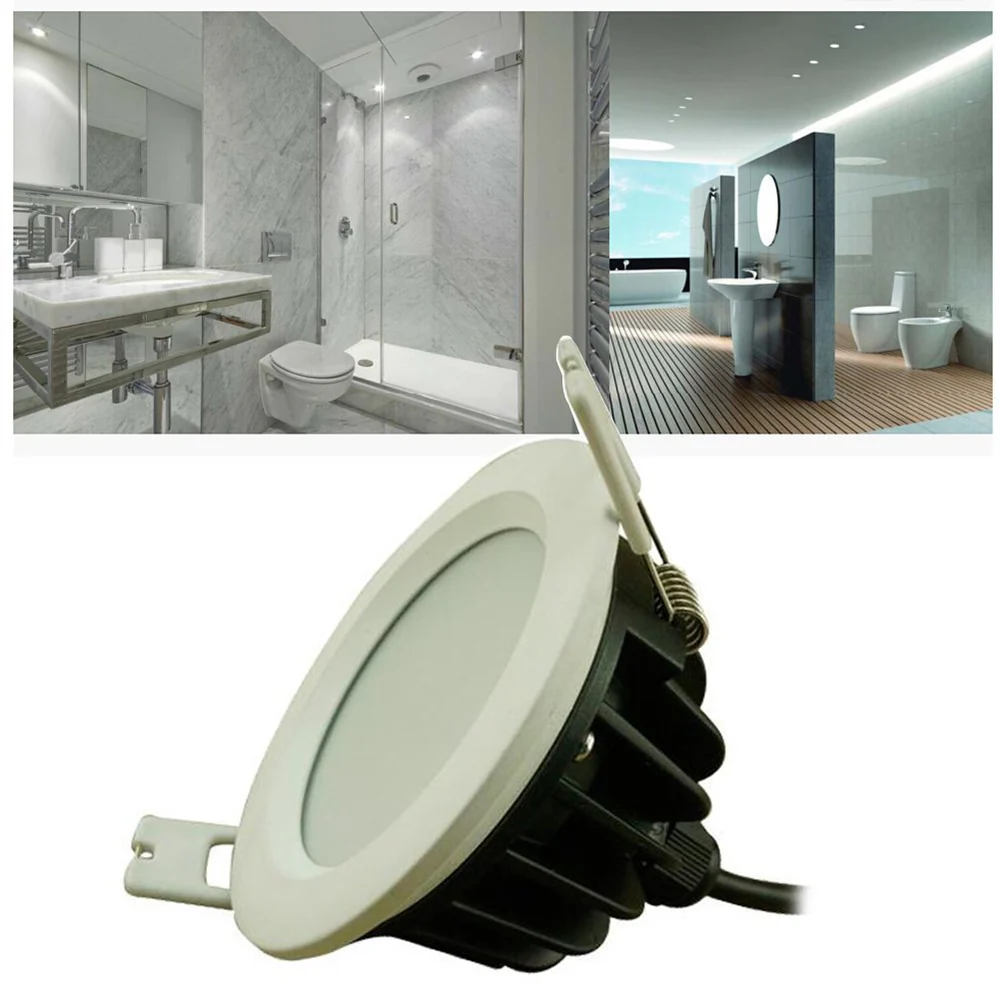
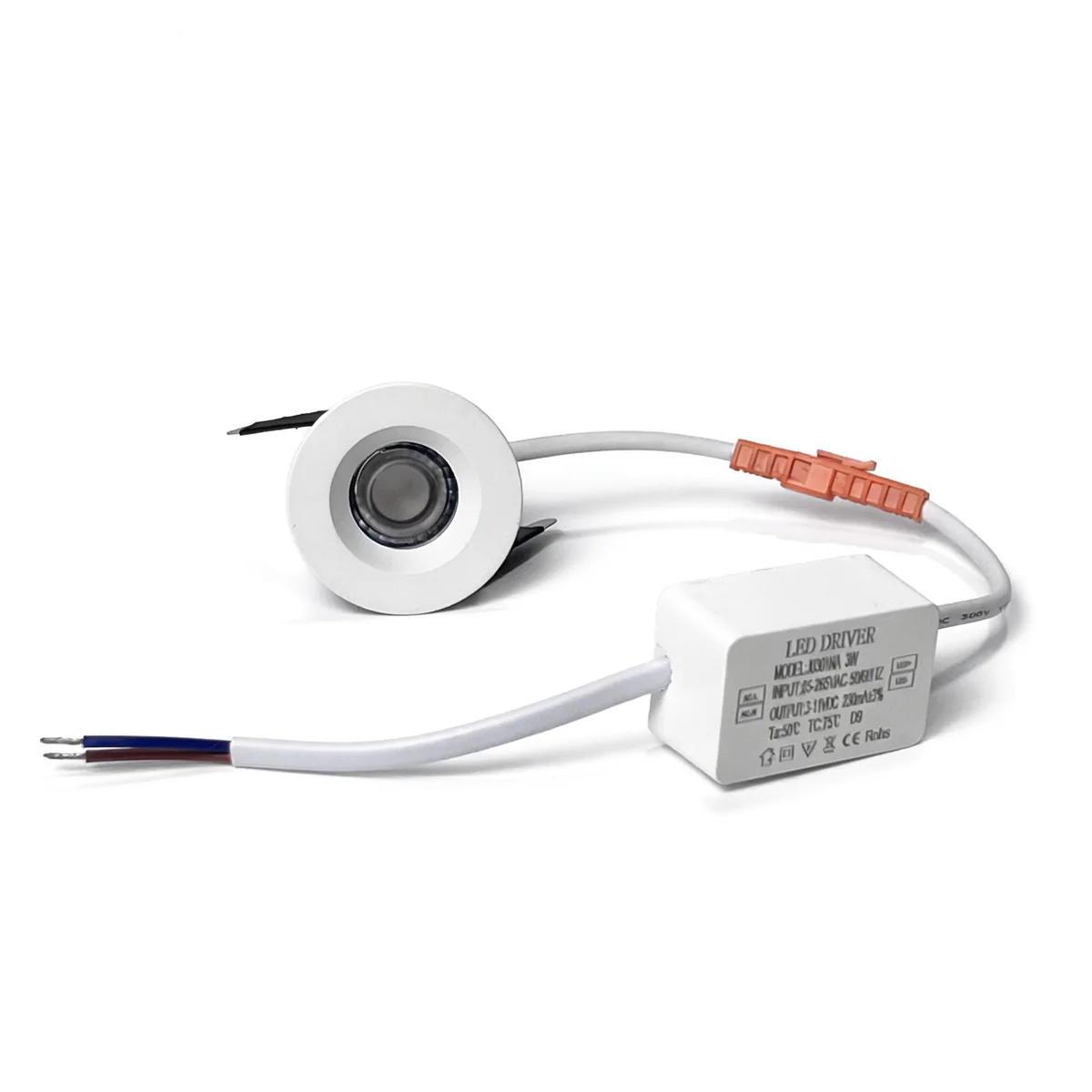
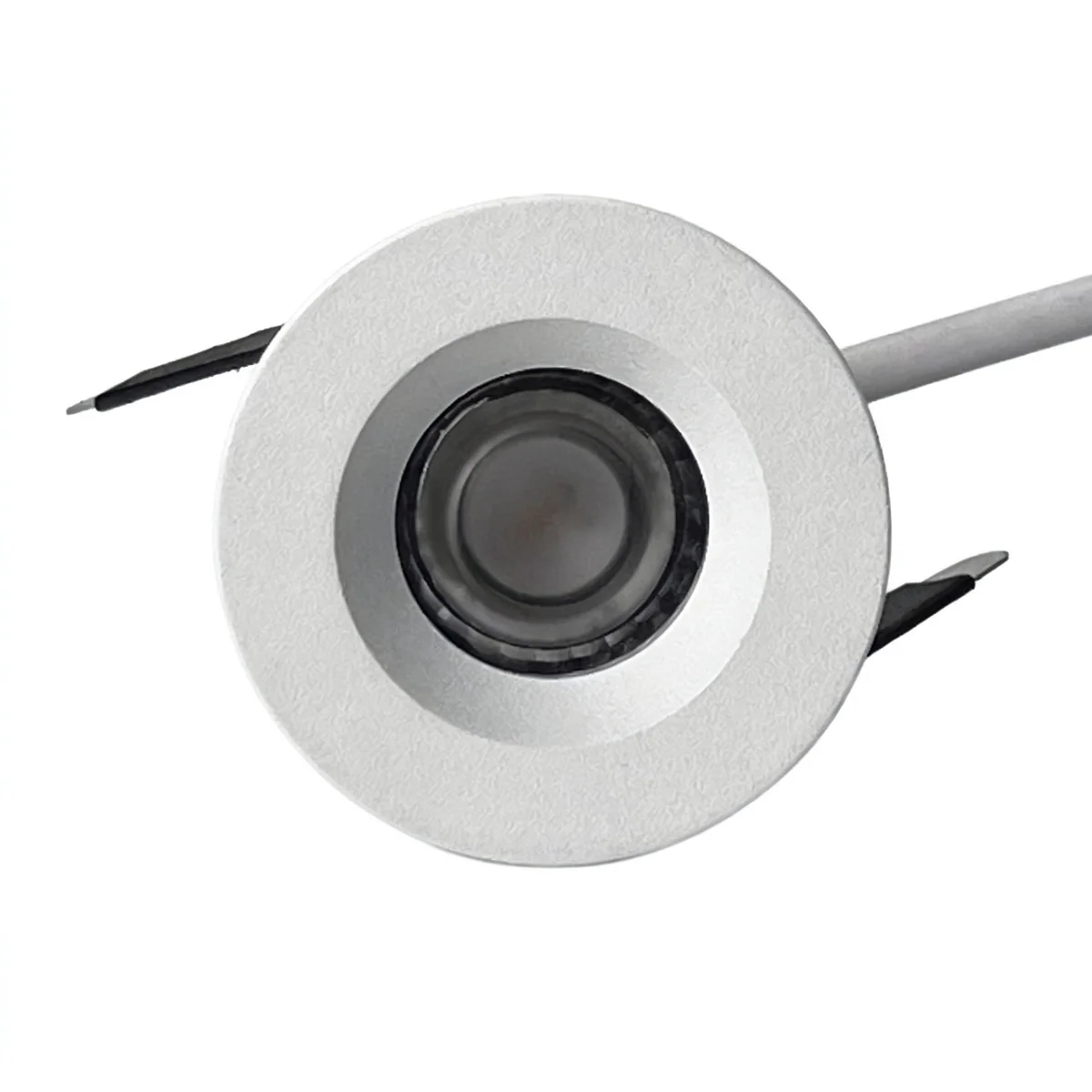
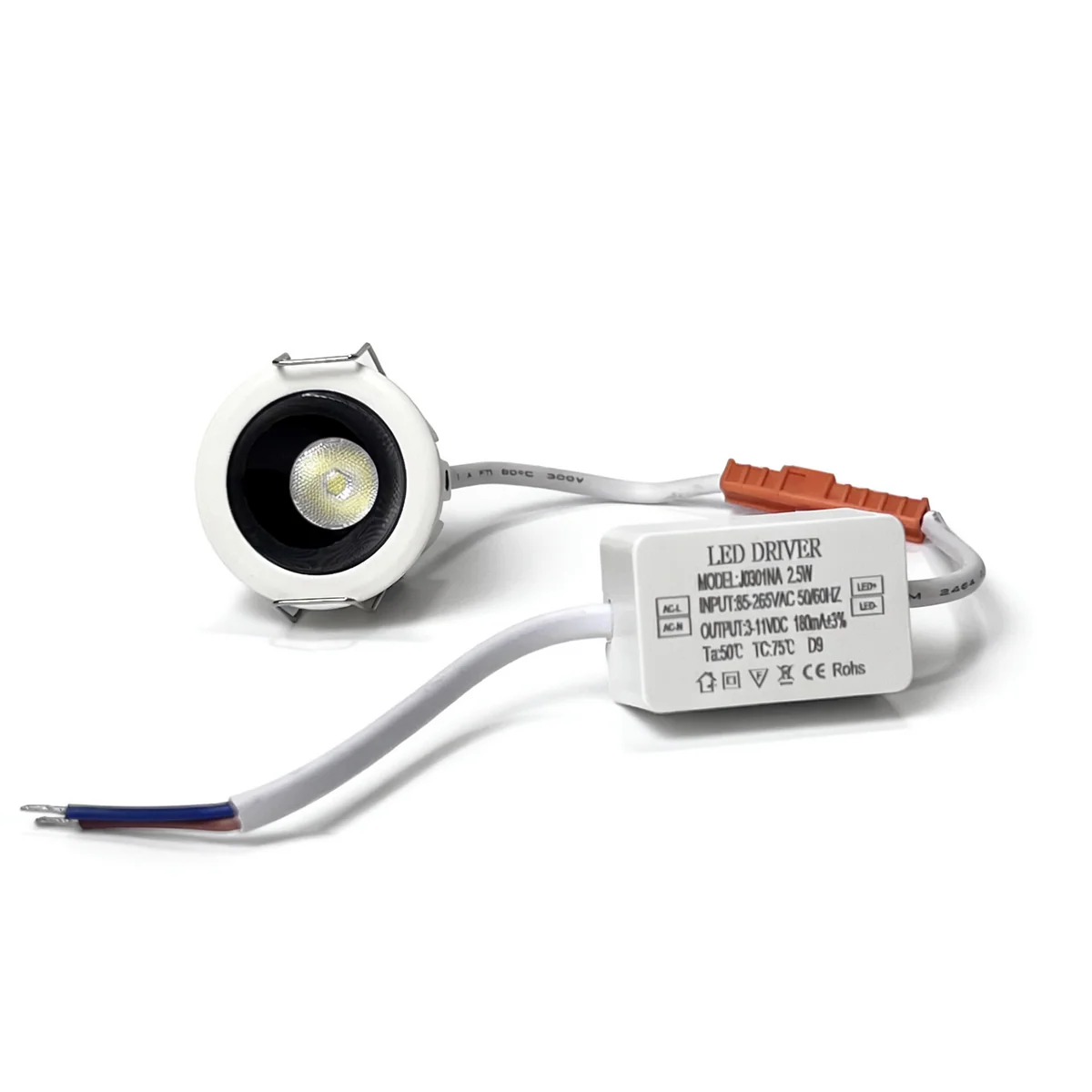
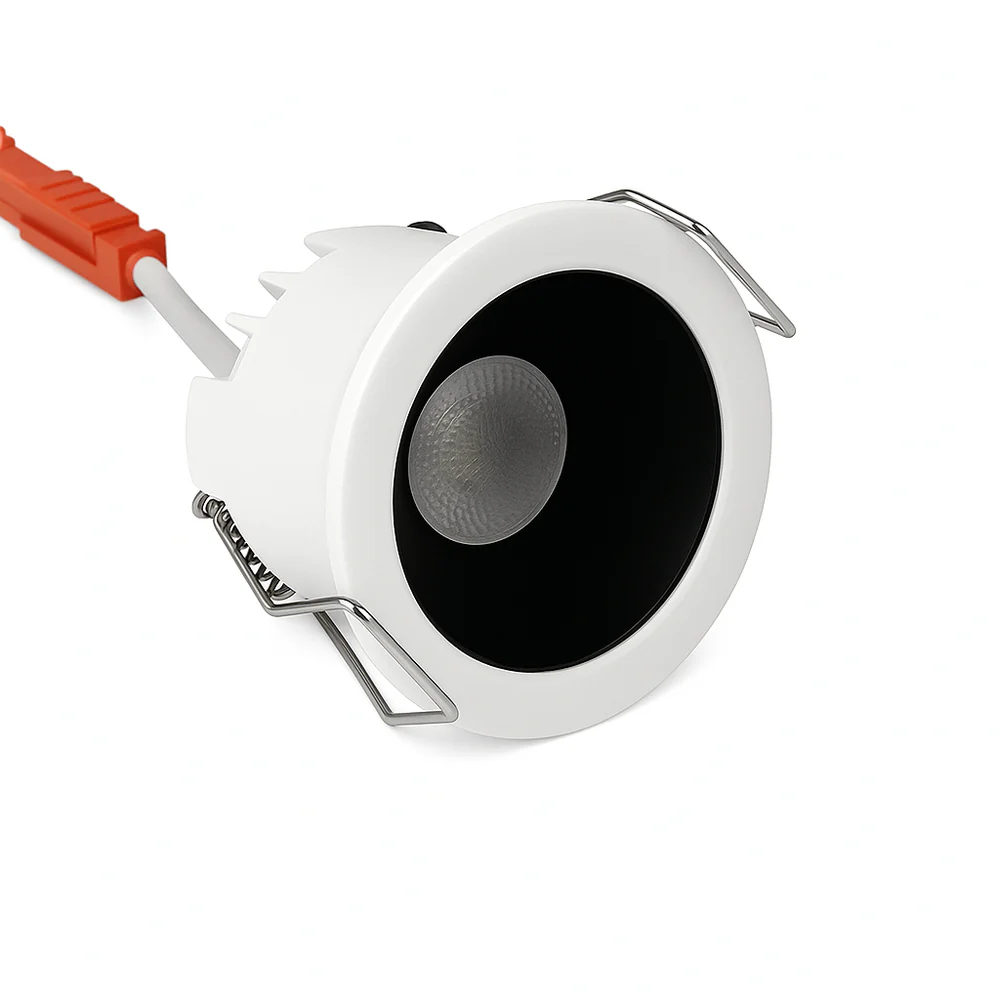
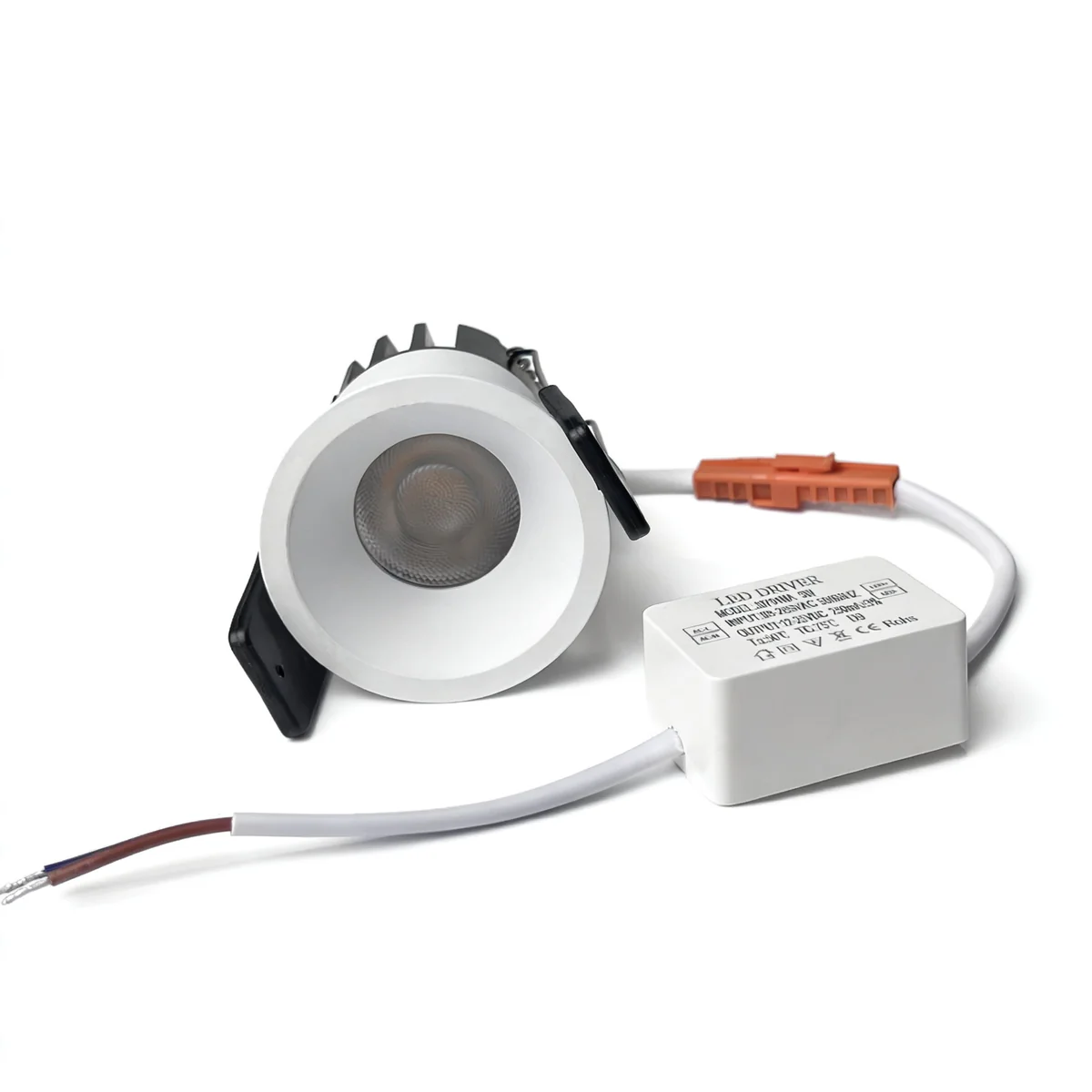
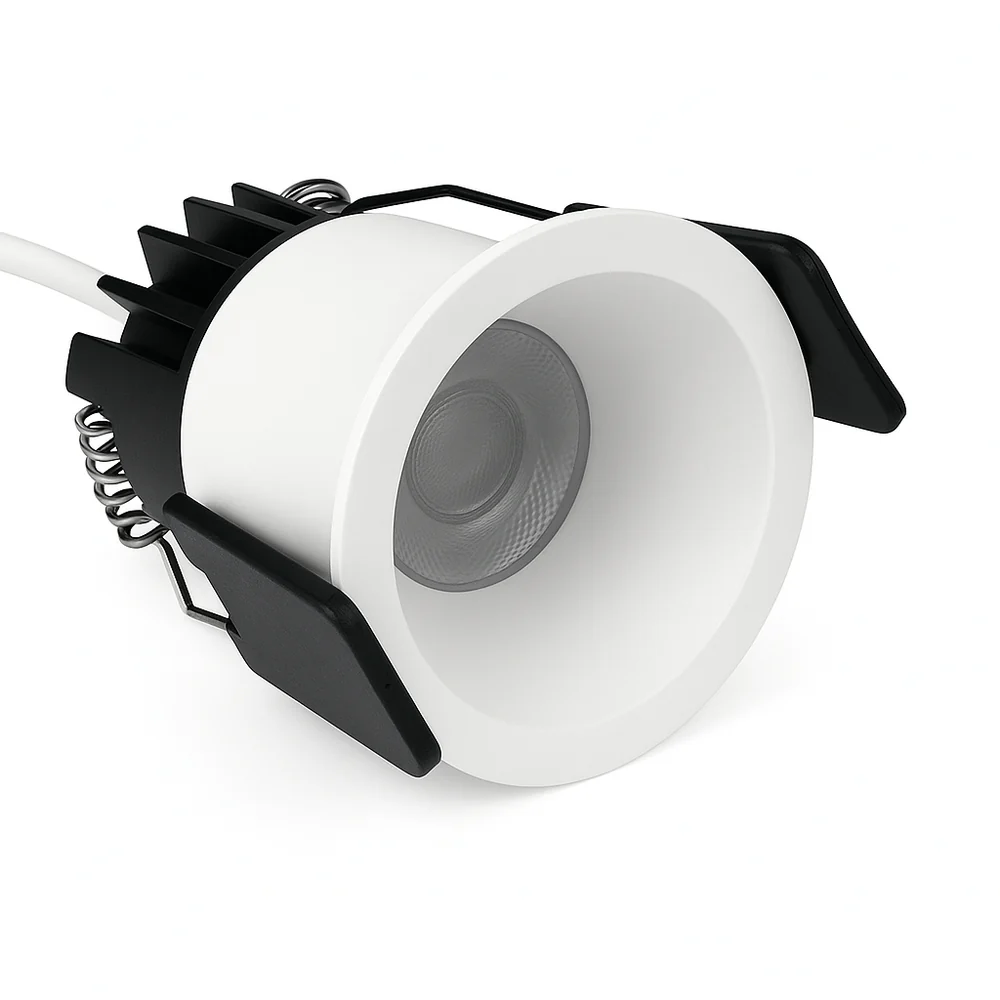
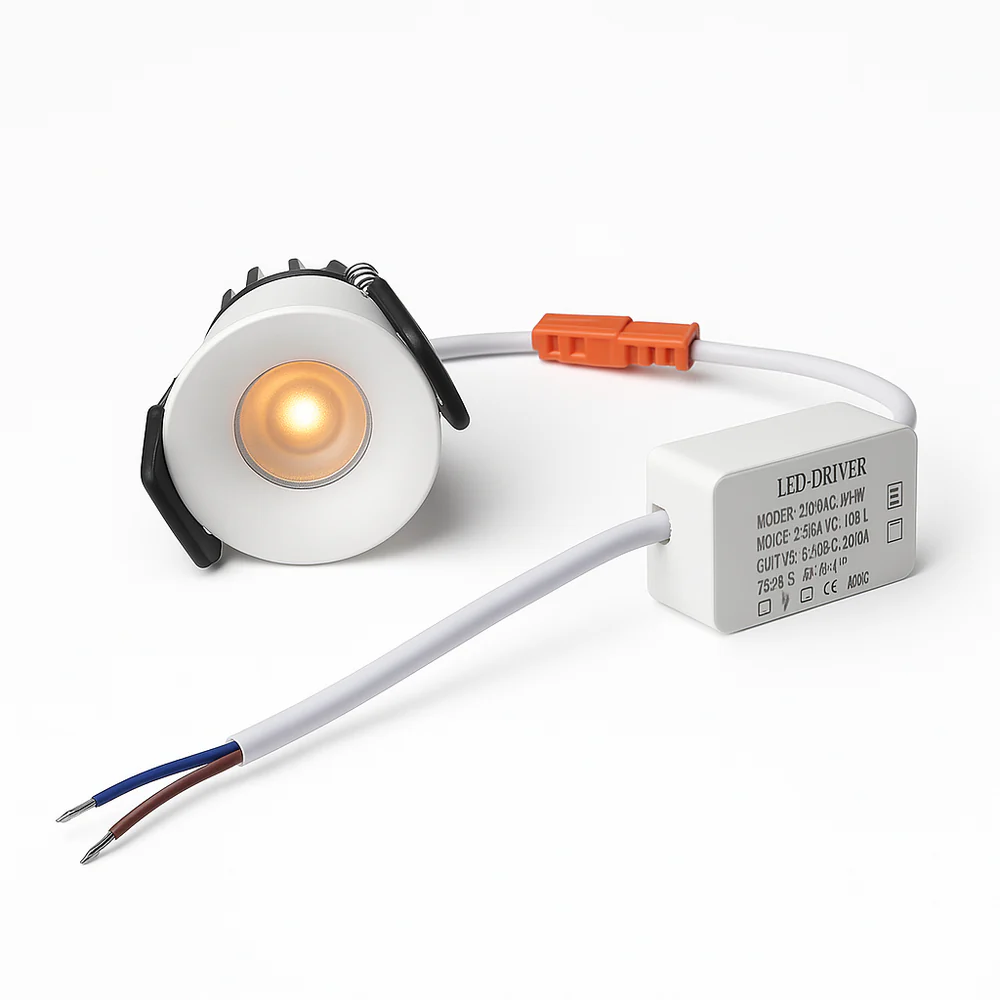
Compact Downlights for Wet Spaces
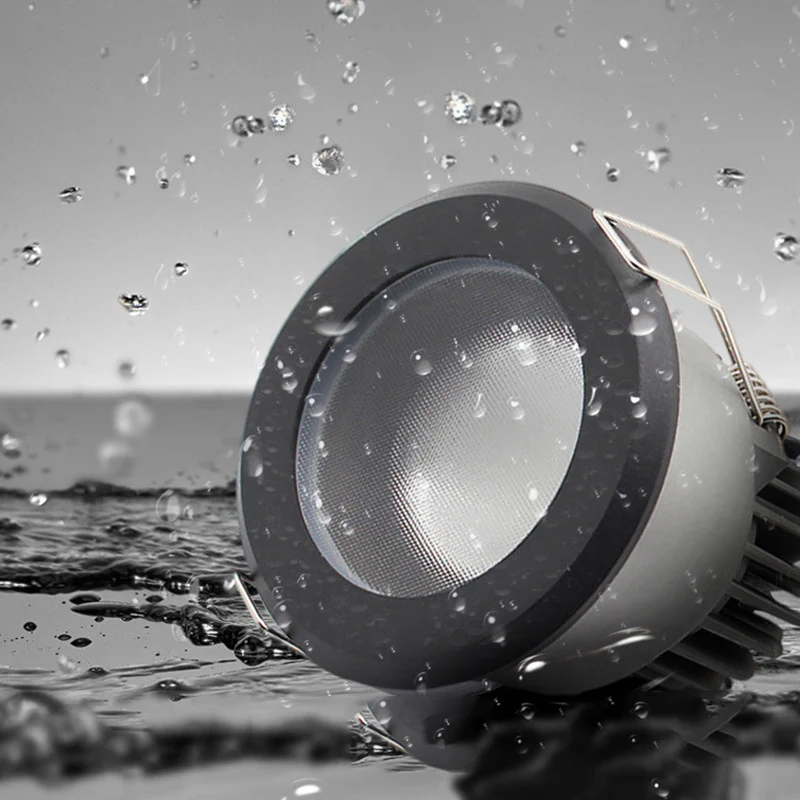
Moisture-Ready Protection
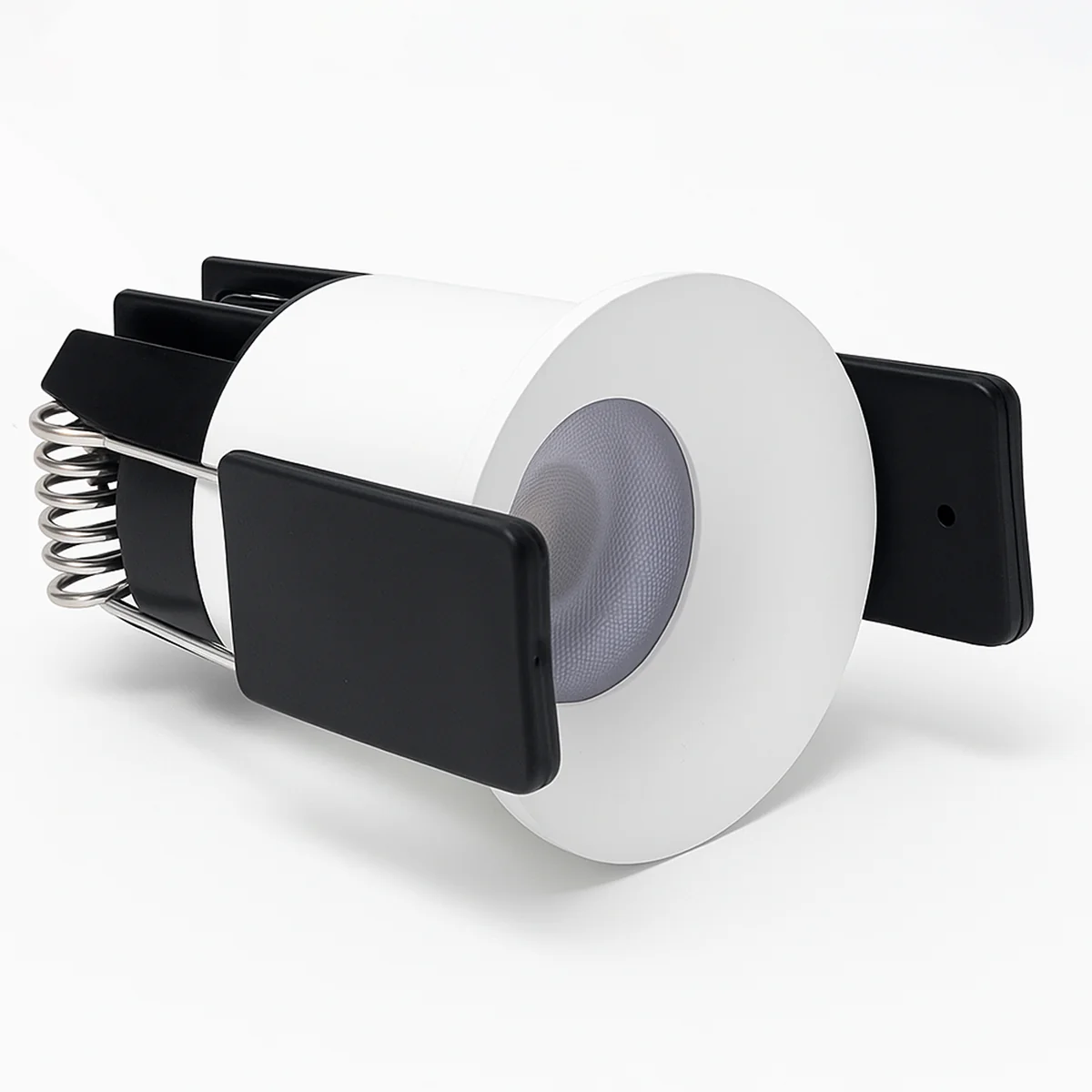
Compact Recessed Design
Wattages for Different Needs
Focused Beam Options
Low-Glare & High CRI Options
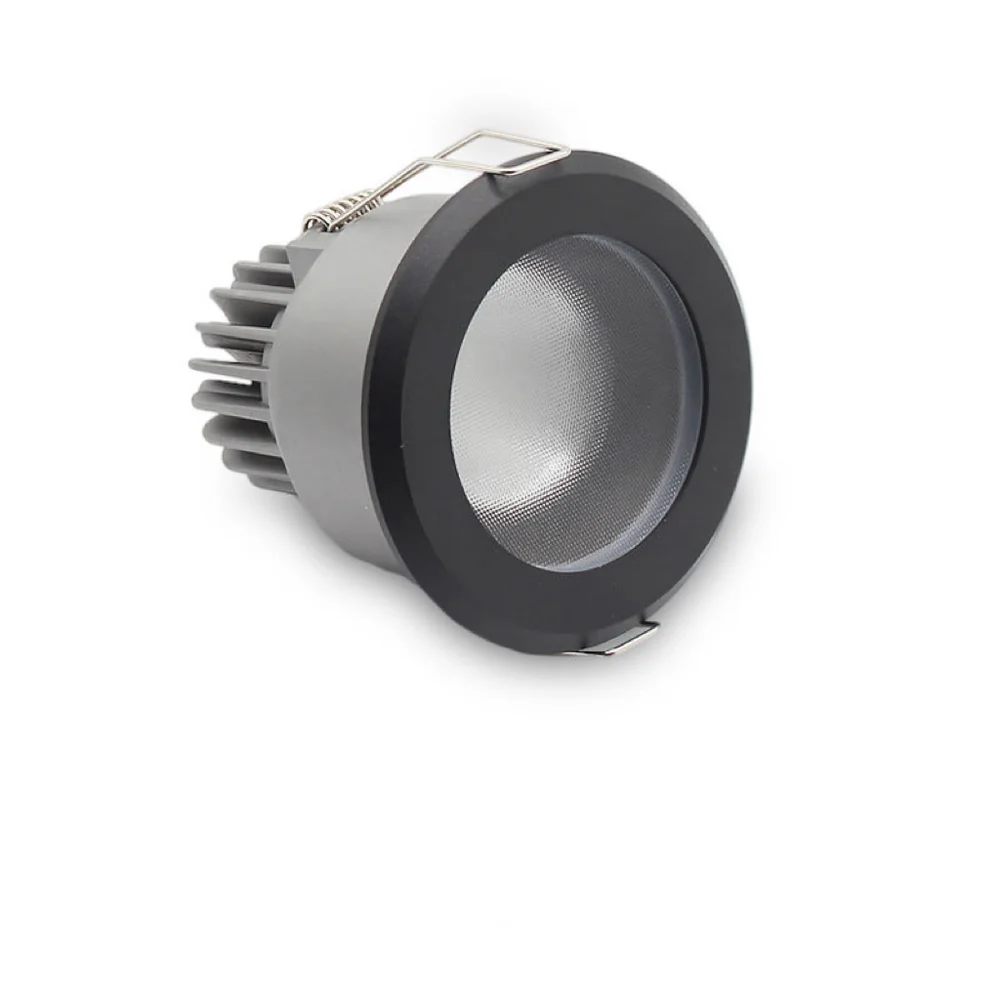
White & Black Finish Choices
Before & After
See how the same space changes with the lights off and on.

Before

After
Questions, projects & expert answers
Explore real customer questions, application ideas and answers from our team.
Finally finished our bathroom — the black downlights were the right call
Black trim on a dark shower ceiling
Answered by LightingWill7W or 12W for a small 5×8 bathroom?
Trying not to make a small bathroom too bright
FX-1 vs FX-2 — which one makes more sense for a bathroom renovation?
Two IP65 options for wet and humid spaces
Can I use these with the dimmer that’s already in my bathroom?
Checking dimming before replacing old downlights
No discussions in this category yet.
7W or 12W for a small 5×8 bathroom?
I’m redoing a pretty standard 5×8 bathroom and planning four recessed lights.I’m looking at the FX-1 and can’t decide between 7W and 12W. There will also be a light over the mirror, so these won’t be the only lights in the room.Would four 12W fixtures be overkill for a bathroom that size?
Since you already have separate vanity lighting, 7W may be a better starting point for four ceiling fixtures in a small bathroom.The 12W version makes more sense when you need greater output from fewer fixtures or have a larger space.Final brightness will also depend on ceiling height, wall and tile colors, fixture spacing and your preferred light level.
FX-1 vs FX-2 — which one makes more sense for a bathroom renovation?
I’m replacing all the ceiling lights during a bathroom renovation and noticed both FX-1 and FX-2 are listed for wet locations.I don’t need anything fancy, just clean recessed lighting that can handle the humidity.Is there a big practical difference between the two series or should I mostly choose based on the size and wattage I need?
For a typical bathroom project, size and wattage are good places to start.FX-1 is currently available in 7W / 12W / 15W, while FX-2 adds a 5W option and is also designed for damp and wet-location applications.Both are AC100–240V and CRI 80+ models.If you need a smaller-output fixture or want more lights with lower output per fixture, FX-2 gives you a little more flexibility.
Finally finished our bathroom — the black downlights were the right call
We finished this bathroom last fall and I thought I’d share how the ceiling lighting turned out.I went back and forth between white and black downlights because the shower area has a dark tile ceiling. I’m glad I chose black. During the day they almost disappear into the ceiling instead of looking like little white circles everywhere.We used four lights in the main bathroom and two in the shower area. The room isn’t huge, so I didn’t want anything oversized or overly bright.Seven months in, I’m still happy with the setup. If I were doing it again I’d probably spend more time laying out the exact positions before cutting the ceiling holes, but that’s about it.
Thanks for sharing the finished project.The black FX-1 is a good fit when you want the fixture itself to blend into a darker ceiling. The FX-1 Series is IP65 rated and offered in 7W, 12W and 15W versions for moisture-prone spaces such as bathrooms and shower areas.
Can I use these with the dimmer that’s already in my bathroom?
I’m replacing some older recessed bathroom lights and the circuit is currently connected to a wall dimmer.I noticed the FX lights are listed as non-dimmable.Can I leave the dimmer installed and just keep it at full brightness, or does the switch itself need to be changed?
The current FX downlights in this collection are listed as non-dimmable, so they should not be operated from a dimming circuit.We recommend replacing the dimmer with a compatible standard on/off control rather than relying on leaving a dimmer permanently at maximum.For hardwired bathroom installations, have the circuit checked by a qualified electrician and follow local electrical requirements.